In 2025, people are looking closer to home to find connection, creativity, and a stronger sense of belonging. After years of global everything—from social media influencers to mass-produced products—the focus is shifting back to the local level. Whether it’s shopping from nearby makers, attending community events, or simply knowing your neighbors, “local living” is making a big comeback.
This trend isn’t just about nostalgia. It’s about people wanting to feel rooted, seen, and supported in real life—not just online.
People Are Tired of Feeling Disconnected
Life has gotten fast, digital, and often isolating. Even with constant online communication, many people feel more alone than ever. In 2025, that’s changing. People are craving real-world interactions, familiar faces, and everyday experiences that feel grounded.
Instead of scrolling for hours, more people are stepping outside, walking to nearby cafes, and joining local interest groups. They’re looking for connection that doesn’t require a screen—and that starts just outside their front door.
Local Shops Are Thriving Again
One major sign of the local shift is the renewed love for neighborhood businesses. In cities and towns across the U.S., people are choosing to shop small again. From bookstores and bakeries to art galleries and farmer’s markets, there’s a growing appreciation for goods that are made with care—and for the people behind them.
In 2025, supporting local is more than just a feel-good choice. It’s becoming a lifestyle. Shoppers are drawn to quality, sustainability, and authenticity—things that big-box chains and online giants often struggle to deliver.
The Rise of Local Creators and Makers
Another big trend in 2025 is the spotlight on local talent. People want music, art, clothing, and food that reflects their own communities. As a result, local artists, musicians, and craftspeople are gaining more attention and support.
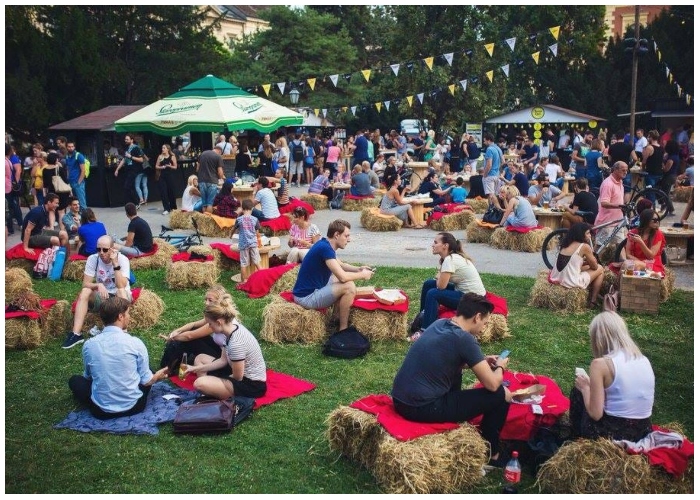
Pop-up events, weekend markets, and small concerts are all helping these creators reach new audiences—without having to go viral. People are realizing that creativity doesn’t have to be global to be valuable. In fact, some of the most powerful stories and styles are born right at home.
Events That Bring Communities Together
Neighborhood block parties, open mic nights, library clubs, community gardens—these once-forgotten traditions are now on the rise again. In 2025, more people are showing up for local events, not just because they’re fun, but because they offer something many of us are missing: real connection.
These gatherings create shared experiences, face-to-face conversations, and lasting bonds. They help people feel like they’re part of something meaningful, not just following another online trend.
Younger Generations Are Leading the Way
Interestingly, this return to local culture is being powered by Gen Z and Millennials. While they grew up online, many are choosing to invest in offline life. They’re using tech in smarter ways—like discovering local businesses through social media—but their focus is on real-world impact.
Young adults are organizing clothing swaps, zine festivals, and low-waste workshops in their neighborhoods. They want their lives to reflect their values: community, sustainability, and creativity. In 2025, “supporting local” is not just something their parents did—it’s become a cultural reset.
Why This Trend Matters
The return to local life isn’t just a cute trend—it has real benefits. When people engage with their community, they feel more secure, less lonely, and more invested in where they live.
It also supports small businesses, keeps money in the neighborhood, and reduces the environmental impact of long-distance shipping. In short, living local helps people slow down, reconnect, and create a healthier rhythm of life.
In 2025, the biggest cultural shift may actually be the smallest—looking right outside our front doors. The return to neighborhood culture is helping people rediscover joy in the everyday. From knowing your barista’s name to hearing live music at a nearby park, these simple moments add up to a richer, more connected life. This trend isn’t about going backward—it’s about moving forward with more intention. As people focus less on being everywhere at once and more on being present where they are, local living is proving to be not just refreshing—but powerful. In a global world, finding your place locally might just be the most meaningful thing you can do.