In 2025, the idea of a perfect home is being redefined. Instead of chasing picture-perfect interiors, people are designing their living spaces with one goal in mind: peace. Restful design is all about creating calm environments that support mental and emotional well-being. From cozy textures to quiet corners, this approach helps turn homes into havens. It’s not about impressing guests—it’s about feeling safe, calm, and comfortable inside your own space.
Why Peaceful Homes Matter More Now
As life speeds up, stress and burnout are on the rise. More people are working remotely, juggling family responsibilities, and trying to find balance. This makes the home more important than ever as a place of recovery. Restful design supports this by reducing clutter, using calming colors, and embracing natural elements like wood, stone, and plants. A peaceful home acts as a buffer from outside chaos.
Designers are focusing on simplicity and softness. People are choosing plush sofas, warm lighting, and minimalistic layouts that make it easier to breathe, focus, and rest. Even things like reducing visible wires or choosing soft textures can significantly change how a room feels. Every detail counts when you’re building a peaceful environment.
Comfort Is the New Luxury
In the past, luxury meant grand chandeliers, sleek marble floors, or bold design statements. But in 2025, comfort is what people crave. Homes are filled with soft rugs, throw blankets, calming artwork, and cozy reading corners. Even kitchens and bathrooms are being designed to feel like personal retreats, with soothing scents, soft towels, natural soaps, and warm ambient lighting that help shift the mood.
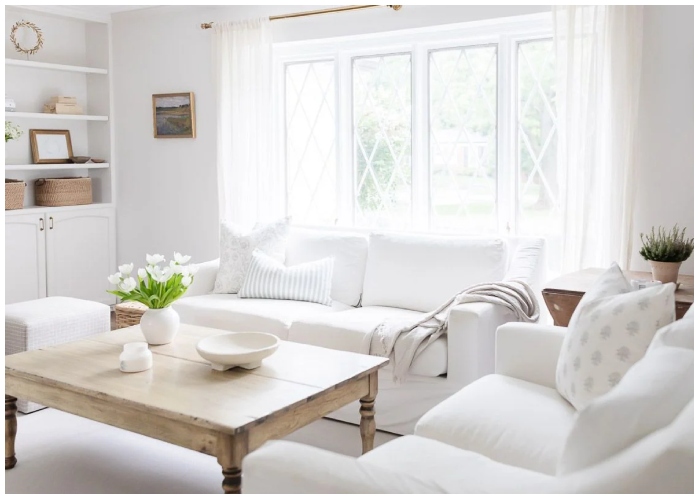
Brands are picking up on this shift too. Furniture and decor companies now highlight “feel-good” products—pieces that aren’t just stylish but also deeply relaxing. The focus is less on showing off and more on how the space makes you feel when you walk into it. Things like ergonomic chairs, memory foam mattresses, and soothing wall colors are becoming bestsellers.
The Power of Soft Lighting and Natural Materials
Lighting plays a huge role in restful design. Harsh overhead lights are being replaced with soft lamps, candles, salt lamps, and dimmable options. These create a warm glow that encourages relaxation, reduces eyestrain, and even supports better sleep routines. Light color temperature and bulb placement are being carefully considered.
At the same time, natural materials like wood, linen, cotton, bamboo, and clay are being used to bring a sense of earthiness into the home. These textures feel grounding and help people connect to the present moment. Even switching to cotton curtains or woven rugs can subtly improve the sensory experience of your space.
Flexible Spaces for Modern Living
Restful design doesn’t mean doing less with your home—it means using it smarter. In 2025, people are creating spaces that can shift based on their needs. A living room might double as a yoga studio in the morning, a workspace during the day, and a movie lounge at night. A spare corner could be both a meditation zone and a journaling nook.
The goal is to make spaces support your life, not overwhelm it. Multifunctional furniture, hidden storage, modular bookshelves, and soft dividers are helping people shape their homes into peaceful, personal sanctuaries. The ability to adapt is what makes modern restful design so valuable.
In today’s busy world, home should be more than just a place to live—it should be a place to heal. Restful design invites you to slow down, breathe deeper, and enjoy your surroundings. It reminds us that beauty isn’t just about how something looks—it’s also about how it makes us feel.
As 2025 continues, this approach to home life is proving that comfort isn’t a compromise. It’s a powerful form of self-care. Whether you rent a small apartment or own a large home, a peaceful space is something anyone can create with a little intention. Restful design helps people feel emotionally supported by their space—and that support is exactly what modern life demands.