In 2025, the way we think about personal space is evolving. As people balance work, rest, and social life in new ways, many are rediscovering the importance of the “third space”—a spot that’s not work and not the bedroom, but a calming place to simply be. Once associated with cafes and bookstores, the third space has now found a new home: inside our homes. These cozy corners are becoming essential for mental clarity, emotional recharge, and daily balance.
Why Third Spaces Matter More Than Ever
With the rise of hybrid work, home has become a place for everything—meetings, meals, workouts, and downtime. But when every room has multiple purposes, it becomes harder to disconnect and feel at peace. That’s where a dedicated third space comes in. It gives you a place that’s not tied to productivity or sleep, but simply comfort and presence.
People are realizing that mental health isn’t just about breaks or vacations. It’s about having daily moments of pause. A soft chair by the window, a reading nook with warm lighting, or even a blanket and mat in the corner for quiet time—these small spaces are becoming big contributors to wellness.
Designing for Calm and Clarity
In 2025, design trends are moving away from flashy decor and focusing more on feeling. People want their third spaces to be calming, not cluttered. Neutral colors, soft lighting, layered textures, and personal touches are in.
Homeowners are using natural materials like wood, linen, and cotton to create sensory comfort. Plants are also key. A little greenery helps bring nature indoors and creates a sense of peace. Even small apartments are finding room for third spaces—a beanbag in the corner, a wall shelf with favorite books, or a soft lamp by the bed can make a big difference.
What People Do in Their Third Spaces
There’s no single way to use a third space, and that’s part of its appeal. Some people use it for quiet hobbies like knitting, reading, or sketching. Others meditate, listen to calming music, or sip tea and journal.
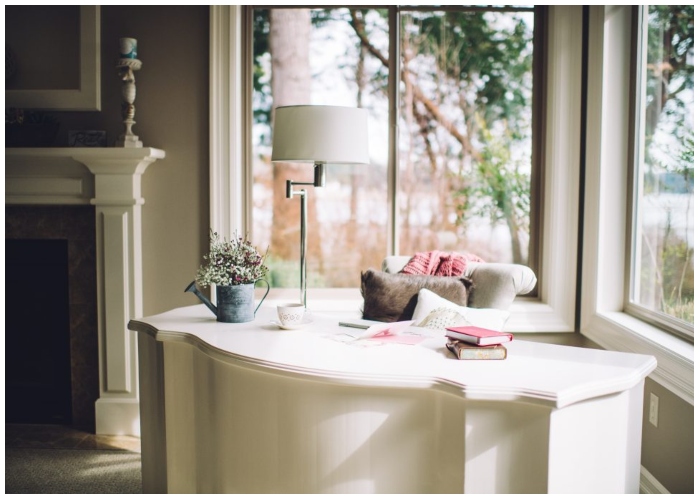
These cozy corners also serve as tech-free zones. Many people make it a rule to leave their phones elsewhere and just focus on the moment. Without the distractions of notifications or screens, the brain can finally slow down. These pauses in the day help improve focus, mood, and even creativity.
From Trend to Habit
At first, the third space idea might feel like a design trend, but it’s quickly becoming a habit. People are seeing how even ten minutes in a peaceful corner can help reset their energy and mood.
Mental health professionals are encouraging this too. In 2025, therapists and wellness coaches suggest creating rituals around third spaces. Maybe it’s where you start your morning with a journal entry, or where you decompress after work with a cup of tea. These small rituals offer consistency and calm, especially when the rest of the world feels unpredictable.
The Emotional Value of a Cozy Corner
In a world that often values doing over being, third spaces remind us that rest is productive. They encourage self-connection and presence. Having a spot that’s just for you—not for your job, not for chores, and not for anyone else—sends a message that your peace matters.
These corners often become emotional anchors. Over time, your body starts to associate the space with calm. Just walking toward it can signal your mind to relax. It’s a form of self-care that doesn’t cost much but pays off every day.
In 2025, cozy corners and third spaces aren’t luxuries—they’re necessities. As the lines between work and rest continue to blur, having a personal pause spot is more important than ever. Whether it’s a plush chair, a corner of your bed, or a sunlit balcony, what matters most is how it makes you feel.
These homegrown third spaces help us reset, recharge, and reconnect with ourselves. In a fast-moving world, creating your own space to simply breathe might just be the most powerful lifestyle shift of the year.