In 2025, people are realizing that big life changes don’t always require massive effort. Instead, it’s the small, consistent steps—tiny habits—that are making a real difference. Whether it’s drinking a glass of water in the morning, taking a short daily walk, or writing down one thing you’re grateful for, these simple actions are transforming lives. The idea is simple: when habits are small and easy, we’re more likely to stick with them. And over time, they add up to big results.
Why Tiny Habits Work
Large goals can often feel overwhelming. Telling yourself to work out for an hour every day or completely change your diet might sound great, but it can lead to burnout or failure if the plan is too intense. Tiny habits, on the other hand, are manageable. They fit into your routine without needing a full lifestyle change. For example, instead of aiming to read 50 books this year, you commit to reading one page a day. That small step builds a habit, and once it’s in place, it often grows on its own.
In 2025, people are finding success by lowering the pressure and focusing on what they can realistically do. The goal isn’t perfection—it’s progress.
Habit Stacking Makes It Easier
One strategy gaining popularity is called “habit stacking.” This means adding a new habit to something you already do every day. For instance, if you drink coffee every morning, you might use that time to also write in a journal or review your to-do list. Tying a new habit to an existing one helps you remember it, and it becomes part of your routine more naturally.
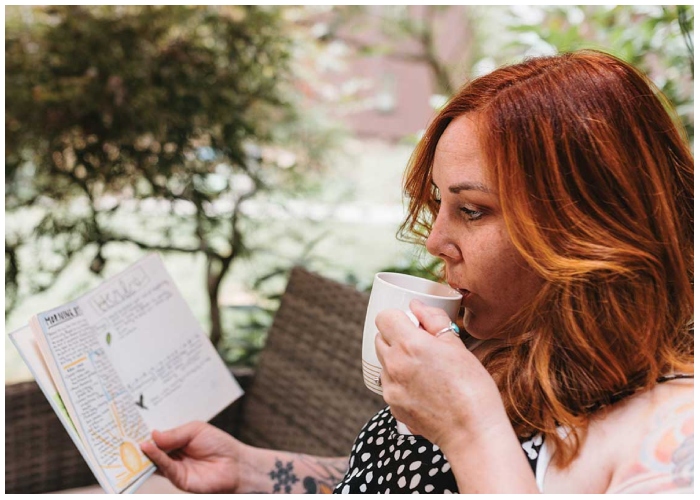
Habit stacking is working well for busy professionals, students, and parents who feel overwhelmed. Instead of adding more to their schedules, they’re building positive change into what they already do.
Building Confidence, One Step at a Time
Another benefit of tiny habits is that they build confidence. Each small success shows you that you’re capable of change. This boosts motivation and helps you believe in yourself, even when facing larger goals. Instead of waiting until the end of a long project to feel proud, tiny habits give you small wins every day.
In 2025, mental health experts are encouraging people to focus on consistency over intensity. That’s because confidence doesn’t come from doing things perfectly—it comes from showing up regularly, even in small ways.
Popular Tiny Habits in 2025
Some of the most common micro-habits in 2025 include making your bed each morning, doing two minutes of stretching, or taking five deep breaths before a meeting. People are also using apps and journals to track these habits and stay accountable. Wellness influencers and therapists are sharing their own tiny routines, helping more people feel inspired to start small and stay consistent.
Digital tools like habit trackers are helping users visualize their progress. Just seeing a streak of days where you completed a tiny task can be enough to keep going.
Why Small Steps Lead to Big Change
What makes small steps powerful is how they grow over time. Drinking one glass of water a day might seem small, but it can lead to better hydration, more energy, and even better sleep. Writing a few sentences in a journal can lead to improved self-awareness and emotional clarity. These aren’t just minor improvements—they’re the start of long-lasting change.
In 2025, people are rethinking what it means to improve their lives. Instead of relying on willpower or pushing for overnight results, they’re creating systems that work with real life. Tiny habits are sustainable—and that’s what makes them successful.
The power of tiny habits lies in their simplicity. They remove the pressure of needing to do everything at once and give you a chance to grow slowly but surely. In a world that often celebrates hustle and extremes, small steps remind us that change doesn’t need to be dramatic to be effective.
In 2025, the people who are building lasting health, happiness, and success aren’t the ones taking the biggest leaps—they’re the ones who are moving forward, one small step at a time.