In 2025, spending purposeful time alone is gaining the same respect once reserved for constant networking and socializing. After years of digital overload and nonstop connectivity, many people now view solitude as a vital skill—a way to recharge, think clearly, and nurture creativity. Instead of fearing the label “loner,” individuals are embracing moments of intentional isolation to strengthen self‑awareness and emotional balance.
How Alone Time Boosts Mental Clarity
When you step away from notifications, conversations, and background noise, your brain finally has room to process information. Studies published early in 2025 show that fifteen minutes of quiet reflection each day can improve focus and problem‑solving by as much as twenty percent. Without external input, your mind shifts from reactive mode to reflective mode, connecting ideas that were previously buried under distractions.
People use this mental space to sort priorities, set goals, or simply breathe without pressure. Solitude isn’t about cutting off the world; it’s about turning down the volume so your own thoughts become audible.
Creativity Thrives in Quiet Spaces
Great ideas often appear when nobody else is around. Writers, artists, and entrepreneurs in 2025 are scheduling “creative retreats” that last anywhere from half an hour to a whole weekend. The goal is to separate from routine chatter—both online and offline—so imagination can run wild. Even professionals in highly collaborative fields use solo walks, journaling sessions, or silent work blocks to solve complex problems.
Apps that track deep‑focus sessions are trending, but many people find the simplest tools—pen, paper, and a calm environment—work best. By gifting themselves uninterrupted time, they invite originality back into their projects.
Solitude Strengthens Emotional Resilience
Being alone on purpose teaches you to understand and regulate emotions without leaning on constant outside feedback. Counselors in 2025 often prescribe solo activities—like nature walks, silent mornings, or phone‑free lunches—to help clients manage anxiety. When you learn to enjoy your own company, you become less dependent on external validation and better equipped to face stress.
Parents are even introducing “quiet hours” at home, encouraging kids to read, draw, or daydream alone. The result: children gain confidence making decisions independently—a skill that carries into adulthood.
Balancing Solitude and Connection
Embracing solitude doesn’t mean withdrawing from others. The healthiest approach in 2025 is a rhythm: meaningful social time paired with intentional alone time. After a busy day of meetings or social events, a thirty‑minute solo activity—stretching, listening to music, or brewing tea—acts as a reset button.
Couples and roommates benefit too. Communicating a need for personal space strengthens relationships because each person returns to the partnership refreshed rather than depleted.
Simple Ways to Practice Solitude Daily
-
Morning pause: Spend the first ten minutes after waking without reaching for your phone. Breathe, stretch, or jot down dreams.
-
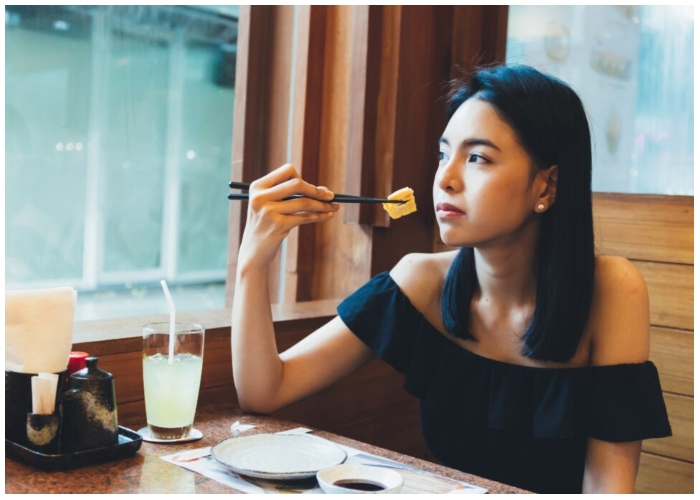
Solo lunch: Once a week, eat alone—no screens—focusing on taste and texture.
-
Commute unplugged: Use part of your travel time to watch the scenery instead of scrolling feeds.
-
Evening wind‑down: Turn off devices thirty minutes before bed and read or journal quietly.
These micro‑moments accumulate, turning solitude into a supportive habit rather than an occasional luxury.
Technology That Protects Quiet Time
Ironically, tech is helping people disconnect more effectively. Popular 2025 phone settings include “solitude mode,” which pauses non‑essential alerts and dims the screen for a set period. Smart home devices now play gentle reminders when it’s time for a scheduled quiet break. The aim isn’t to abandon technology, but to use it to create boundaries that protect mental space.
Solitude in 2025 is a conscious choice, not an accidental state. By carving out regular time alone, people discover clearer thinking, deeper creativity, and stronger self‑trust. The art of being alone transforms isolation into empowerment—proving that quiet moments can be the loudest breakthroughs. Embrace a daily pause, and watch how this simple practice turns stillness into your newest superpower.