In 2025, more people are choosing slow and intentional movement instead of high-intensity workouts. The focus is shifting away from fast-paced gym routines toward exercises that care for both the body and the mind. This growing interest in mindful movement includes practices like yoga, tai chi, stretching, walking meditations, and gentle Pilates.
Instead of pushing for maximum burn or calorie loss, people now want to feel good during and after their workout. These slower activities help reduce stress, improve flexibility, and build a better connection between mind and body. In a busy world, mindful movement gives people a break while still supporting physical health.
Why People Are Slowing Down Their Workouts
Many people in 2025 are tired of workouts that leave them feeling drained or pressured to achieve unrealistic goals. Constantly chasing fitness results can lead to burnout and injuries. That’s why slower, more thoughtful exercise has become a favorite for people of all ages.
Mindful movement allows individuals to pay attention to how their bodies feel during exercise. There is no competition, no rush, and no pressure to perform. It’s about staying present and making gentle progress, which is especially helpful for those managing anxiety, chronic pain, or recovering from illness.
Mental Health Benefits of Moving Mindfully
Aside from the physical perks, mindful movement is also becoming known for its mental health benefits. In 2025, many doctors and therapists are suggesting yoga, tai chi, or breathing-based stretches to help people manage stress and emotions.
These activities help lower cortisol (the stress hormone), improve sleep, and encourage emotional regulation. People who practice mindful movement regularly report feeling calmer, more focused, and more in control of their thoughts and feelings.
Accessible for Everyone
One big reason for the popularity of mindful movement in 2025 is that it’s accessible to nearly everyone. You don’t need fancy equipment, expensive memberships, or a certain fitness level to start. There are online videos, apps, and local classes that make it easy to practice at home, in a park, or even during a work break.
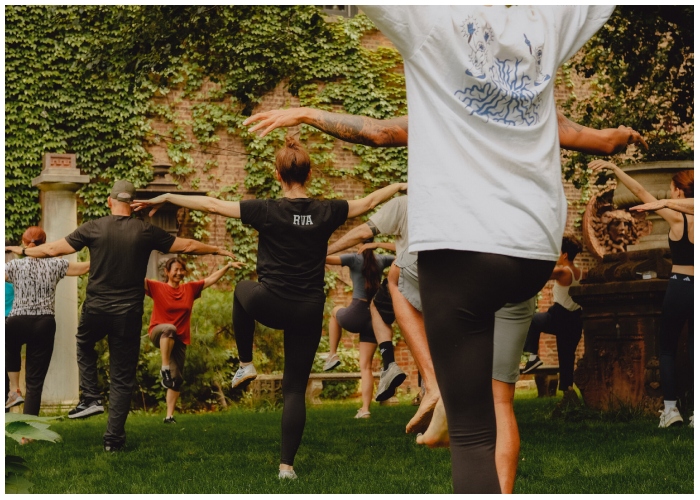
Older adults, beginners, and people with physical limitations are finding mindful movement especially helpful. It’s a safe and gentle way to build strength, improve balance, and feel better every day. Even just ten minutes of slow stretching or deep breathing can make a positive difference.
Mindful Movement as a Daily Ritual
In 2025, many people are turning mindful movement into a regular habit. Some begin their day with gentle yoga, others end the day with slow stretches to relax before sleep. For busy professionals, a walking meditation during lunch is a quick way to reset.
These routines are easy to fit into daily life and can be done in short sessions. Unlike intense workouts that require time and preparation, mindful movement fits naturally into busy schedules, making it a sustainable wellness habit.
Combining Movement with Breath and Intention
One of the key parts of mindful movement is combining slow motion with breath and intention. Whether you’re flowing through yoga poses or gently rotating your shoulders, breathing deeply and staying aware of your actions helps bring calm and focus.
This combination also supports nervous system health. When we breathe slowly and move gently, we send signals to our brain that we’re safe. This helps lower stress, calm anxiety, and create a sense of peace.
In a world that often pushes for more—more speed, more results, more pressure—mindful movement is a welcome change. It encourages people to slow down, listen to their bodies, and move with kindness. In 2025, this gentle approach to exercise is helping people feel better, not just physically but emotionally too. Whether you’re stretching in your living room, walking quietly through your neighborhood, or joining a local yoga class, mindful movement is a powerful tool for modern wellness.
This year, more people are discovering that real strength doesn’t always come from lifting heavier or running faster. Sometimes, it comes from slowing down, breathing deeply, and simply moving with care.