In 2025, a major shift is happening in home design—away from perfection and toward peace. People are no longer just decorating for looks. They’re creating spaces that support rest, calm, and emotional well-being. This trend, known as restful design, puts comfort, softness, and simplicity first. It’s not about impressing others. It’s about feeling good in your own space.
From Busy to Balanced: What Restful Design Means
Restful design focuses on how a room makes you feel, not just how it looks. In today’s fast-paced world, many people are craving a break from chaos. That’s why homes in 2025 are filled with calming colors, soft textures, and gentle lighting.
Designers are using materials like natural wood, cotton, and linen to create a warm, grounded feel. Colors like beige, sage, and sky blue are popular because they help people feel calm and centered. Instead of loud patterns or bold statement pieces, people are choosing soft shapes and subtle details.
Creating Calm Through Color and Texture
Color plays a huge role in restful design. In 2025, homeowners are choosing gentle, earthy tones that feel like a deep breath. Think soft whites, clay, olive green, and muted pastels. These shades make rooms feel spacious and safe—perfect for relaxation.
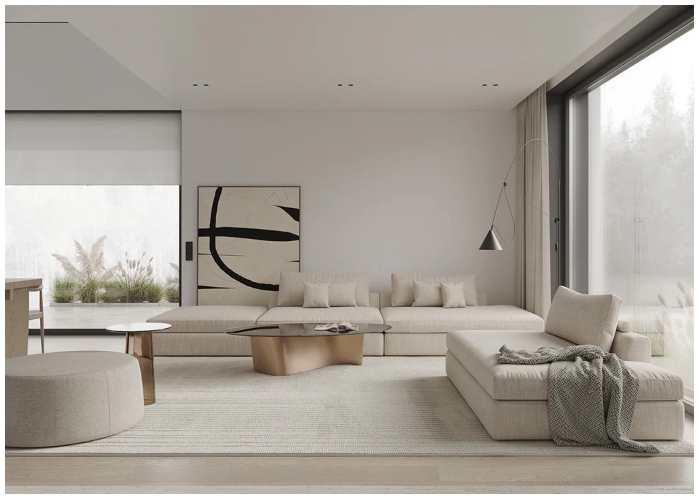
Texture is just as important. Fluffy rugs, velvet cushions, knit blankets, and linen curtains invite touch and signal comfort. It’s not about perfection or polish—it’s about coziness. When everything feels soft and inviting, it helps people feel more at ease.
Lighting That Supports Your Mood
Harsh lighting is out. In 2025, restful homes use warm, adjustable lighting to match the time of day and the activity. Morning light might be brighter and energizing, while evening lights are dim and soothing.
Homeowners are using table lamps, floor lamps, and wall sconces to layer light and reduce eye strain. Smart lighting systems allow people to control the brightness and color temperature, helping them wind down at night and wake up more gently in the morning.
Less Clutter, More Clarity
A restful space needs room to breathe. That’s why minimalism is a big part of 2025’s home trends. People are decluttering and being more intentional about what they keep. It’s not about having less for the sake of it—but about making space for what matters.
Open shelves, hidden storage, and multi-use furniture are helping people keep things tidy without stress. A clutter-free room leads to a clutter-free mind, making it easier to relax and recharge.
Spaces for Stillness and Recharging
More homes now include quiet corners or “nooks” designed specifically for rest. These might be reading spots, meditation areas, or cozy window seats. The idea is to have a space where you can pause and just be.
People are adding touches like sound machines, essential oil diffusers, or journals to these corners. It’s a gentle reminder to slow down, breathe, and take care of your mental health.
Design That Supports Sleep
Bedrooms are getting special attention in the restful design movement. In 2025, people are focusing on sleep-friendly features—like blackout curtains, breathable bedding, and tech-free zones.
Some are removing TVs and phones from their bedrooms completely. Others are choosing calming wall colors and using soft, layered bedding to create a cozy sleep nest. The goal is simple: help your body and mind relax so you can get better rest.
In 2025, the idea of “home” is changing. It’s not just a place to live—it’s a place to heal. Restful design shows that you don’t need a big budget or fancy decor to create peace. With soft textures, soothing colors, and fewer distractions, any space can become a haven.
As stress levels rise, more people are realizing the power of a calm, cozy home. By focusing on how spaces make us feel—not just how they look—we’re learning that real beauty starts with comfort. In a noisy world, a peaceful home might be the most powerful design choice of all.