In 2025, one wellness trend is standing out for its simplicity and real benefits—forest bathing. Also known as Shinrin-yoku in Japan where it began, this gentle practice involves walking slowly and mindfully in nature. Instead of exercising or hiking, forest bathing is about simply being present outdoors.
People are turning to this peaceful activity to calm their minds, reduce stress, and take a break from the pressures of modern life. In a world filled with screen time, noise, and endless notifications, forest bathing offers something rare and valuable: quiet.
Why Forest Bathing Works for the Mind
Today, people are more connected than ever, but that connection often comes with a cost—mental fatigue. We wake up to notifications, jump from task to task, and rarely pause to breathe. All of this can make us feel distracted, anxious, and overwhelmed.
Forest bathing helps the brain shift gears. When we spend time in natural surroundings—whether it’s a wooded trail, a park, or even a garden—our senses begin to relax. The sounds of birds, the sight of trees, and the smell of fresh air help us slow down. In 2025, more therapists and wellness professionals are recommending forest bathing to support emotional and mental well-being.
How to Practice Forest Bathing
One of the best things about forest bathing is that it’s simple. You don’t need to be in top shape or travel far. Forest bathing isn’t about speed or distance—it’s about awareness. The goal is to move slowly and notice what you see, hear, and feel.
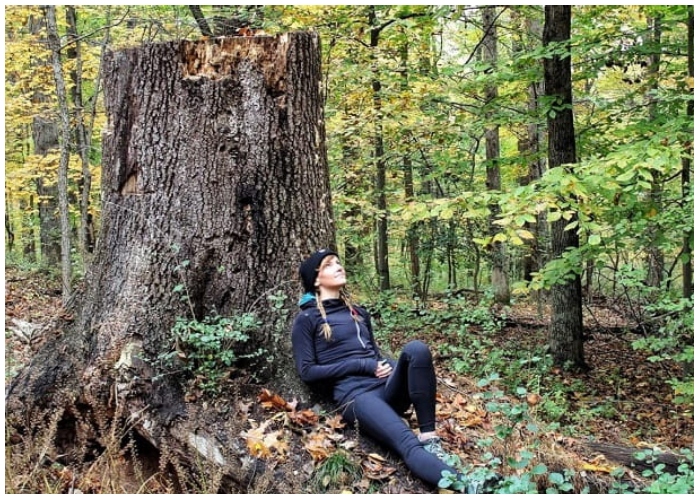
That might mean walking quietly through a local park, sitting beneath a tree, or resting on a bench while observing nature around you. Some people go barefoot to feel the ground. Others close their eyes to focus on sound. Whatever the approach, the practice is about being fully present.
The Physical Benefits of Forest Bathing
Forest bathing isn’t just good for the mind—it also has real effects on the body. In 2025, health researchers continue to find links between time in nature and lower levels of the stress hormone cortisol. Nature walks can also lower blood pressure, slow heart rate, and improve sleep.
Being outside also helps strengthen the immune system. Breathing in the natural oils released by trees, called phytoncides, has been shown to increase the activity of white blood cells that fight disease. In a time when people are more focused than ever on staying healthy, forest bathing offers a free and natural way to feel better.
Urban Forest Bathing Is Growing
Not everyone lives near a forest, but that doesn’t mean this practice is out of reach. In 2025, cities are creating more green areas, planting trees, and building quiet spaces for reflection. Urban parks, rooftop gardens, and tree-lined sidewalks are all being used for mindful nature walks.
You don’t even need a full hour. Just ten to fifteen minutes in a peaceful outdoor spot can bring a sense of calm. People are making the most of the spaces they have—whether that means visiting a park, taking a phone-free walk around the block, or enjoying a backyard filled with plants.
Forest bathing has become a go-to wellness practice because it works. In our fast-paced world, many people are realizing they need to slow down. Stepping into nature allows you to reset your thoughts, connect with your senses, and let go of stress.
Whether you go for a quiet walk in the woods or sit under a tree in your neighborhood, forest bathing helps restore balance. In 2025, more people are turning to nature for healing, clarity, and calm. It doesn’t require expensive gear or apps—just your time, attention, and a willingness to unplug.
Nature is always there, offering peace with every step and breath. And for many, that simple truth is what makes forest bathing one of the most powerful self-care habits of the year.