In the wellness world of 2025, one simple practice is gaining massive attention for its ability to calm the mind and restore the body: breathwork. Unlike high-effort wellness routines or expensive therapies, breathwork requires no equipment, no gym membership, and no screens. Just you, your breath, and a few focused minutes. As stress levels remain high and people look for effective, natural tools to support their mental health, breathwork is emerging as the go-to solution. Easy to learn and instantly impactful, it’s changing how we cope with daily pressure.
The Science Behind the Breath
While breathwork might seem basic, it’s deeply powerful from a biological perspective. Breathing patterns directly influence the nervous system, particularly the balance between the sympathetic (fight-or-flight) and parasympathetic (rest-and-digest) systems. Fast, shallow breathing activates stress responses, while slow, deep breaths signal the body that it’s safe to relax.
In 2025, more research is highlighting how intentional breathwork can reduce anxiety, improve sleep, and even enhance focus. Many therapists and mental health professionals now recommend daily breathwork as a preventive tool for stress and burnout. It’s a practice rooted in physiology, and its benefits are both measurable and immediate.
Breathwork Goes Mainstream
In past years, breathwork was often seen as something only practiced in yoga classes or wellness retreats. But in 2025, it has officially gone mainstream. Thanks to social media, short-form videos, and health influencers, breathing techniques are now being shared widely and practiced by people of all ages. From CEOs to students, more individuals are carving out just 5–10 minutes a day to breathe with intention.
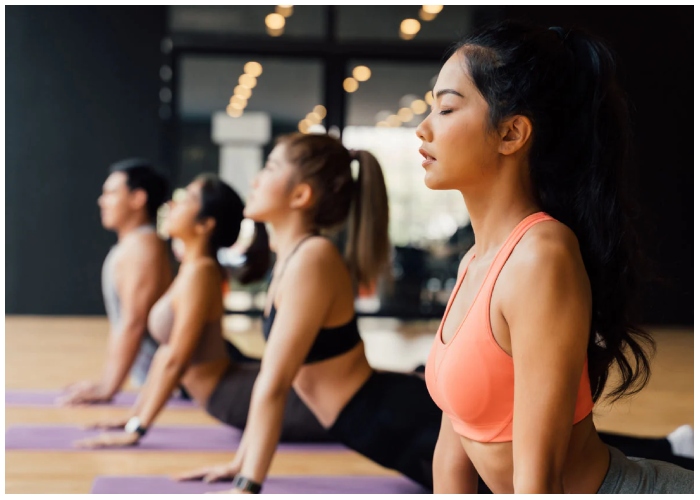
Apps like BreathEasy, Calm, and Inhale are offering free guided sessions, helping people explore different techniques—from box breathing to alternate nostril breathing to deep belly breaths. And because it’s simple and accessible, breathwork is being woven into work breaks, morning routines, and even bedtime rituals.
Mental Health and Emotional Regulation
One of the biggest reasons breathwork is trending in 2025 is its proven impact on mental and emotional health. In a world where anxiety and overwhelm are widespread, this practice provides a low-pressure, high-reward way to calm down. Breathing exercises help manage emotional reactivity by slowing the heart rate and grounding the nervous system.
Many people are now turning to breathwork during stressful moments—before meetings, after arguments, or when feeling overstimulated. Instead of reacting impulsively, they pause, breathe, and reset. This shift in how we respond to stress is creating more emotional resilience and self-awareness across age groups and lifestyles.
A Daily Ritual With Big Impact
What sets breathwork apart from other wellness trends is its low barrier to entry. You don’t need to be in shape, have free time, or buy anything to get started. Just a few minutes of focused breathing per day can significantly shift your mood, reduce tension, and promote clarity.
In 2025, many people are building breathwork into their daily routine. Some begin the day with energizing breath patterns, others end it with calming exercises to improve sleep. Office workers use short breathing breaks to refocus during long shifts, while parents use it as a tool for managing the chaos of busy homes. It’s a practice that meets you where you are.
Breathwork in Therapy and Wellness Spaces
More mental health practitioners are integrating breathwork into their sessions. In 2025, it’s not uncommon for therapy appointments to begin with a few minutes of guided breathing to help clients feel present and grounded. Wellness centers are offering breathwork workshops, and corporate wellness programs are using it as a stress-reduction tool for employees.
Even hospitals and clinics are exploring breath-based interventions to help patients manage pain, fear, and emotional overwhelm. As the demand for non-invasive, affordable health tools grows, breathwork is earning a strong place in modern care.
In 2025, breathwork stands out as one of the most effective and empowering stress-relief tools available. It’s simple, science-backed, and free—yet it can shift your entire mental state in just a few minutes. Whether you’re managing anxiety, building mindfulness, or simply trying to stay centered in a fast-moving world, the breath is a powerful ally. As more people discover its impact, breathwork is no longer just a niche technique—it’s becoming a daily ritual for calm, focus, and long-term emotional well-being.